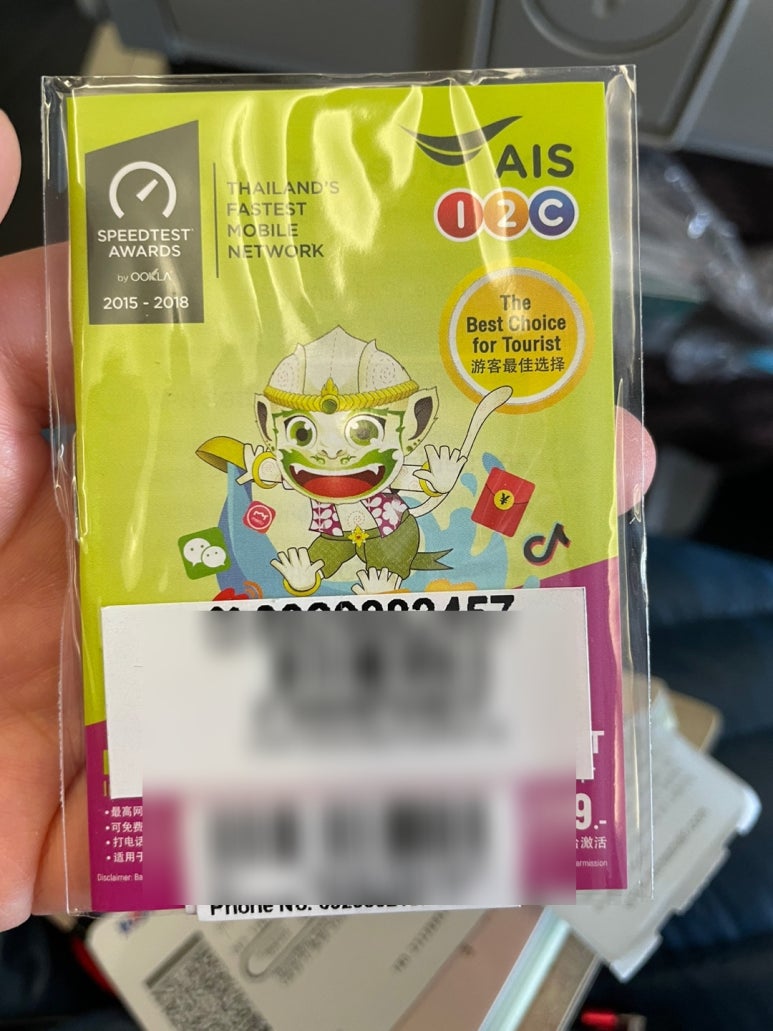
The Convenience of a Local Number
When traveling to Thailand, I prefer having a SIM card that supports voice calls. It’s incredibly useful for booking massages, making restaurant reservations, or coordinating with ride-sharing apps like Grab. While many eSIM options available online are data-only, having a local number provides that extra layer of flexibility.
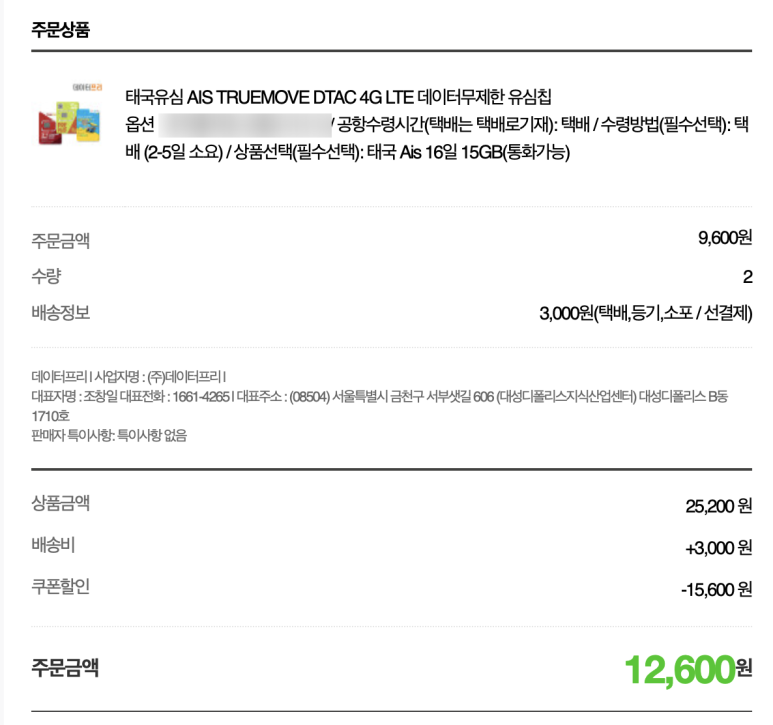
Preparation: Buying Before You Fly
Before my trip in October 2022, I purchased two AIS SIM cards (16 days, 15GB, calling enabled) online in Korea for 12,600 KRW. I opted for physical SIMs initially because I was unfamiliar with the eSIM setup process and wanted to ensure I had connectivity the moment my plane landed. Having that data ready while waiting for immigration or traveling to the hotel is a huge convenience.
The Process: Free eSIM Conversion
I later discovered that you can convert your physical AIS SIM into an eSIM at an AIS store in Bangkok. I visited the AIS store on the first floor of the Robinson Bang Rak department store. The process was straightforward: I presented my physical passport, and the staff handled the conversion for free. The entire procedure took about 10 minutes.
Important Requirements and Tips
- Passport is Mandatory: You must bring your physical passport. Copies will not be accepted.
- Store Variability: Not all locations are equally equipped to handle this. For instance, when my companion tried to convert their SIM at the AIS store in Central World, the staff there were unable to perform the task. However, the staff at the Robinson Bang Rak branch processed it without any issues.
The Benefits of Dual SIM
Once converted to an eSIM, I was able to re-insert my Korean physical SIM card into my phone. This setup is a game-changer: I use the Thai eSIM as my primary line for data, while keeping my Korean SIM active to receive SMS messages—which is perfect for getting real-time credit card transaction alerts. It’s a seamless way to stay connected to both worlds, and I definitely plan to use this method for my future trips.