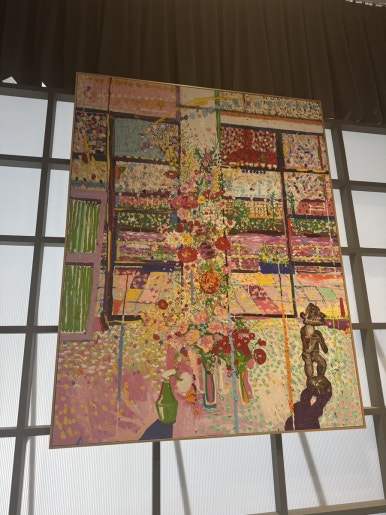
A Rare Encounter with Damien Hirst
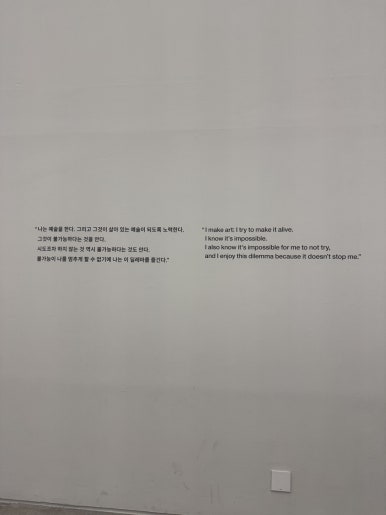
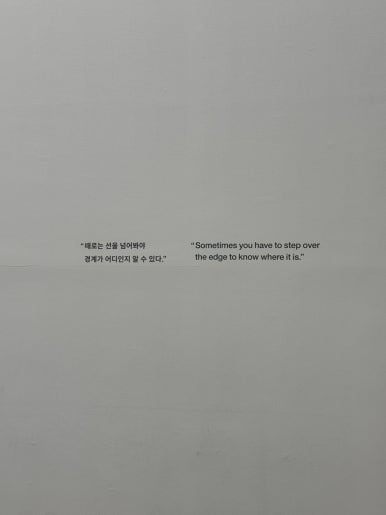
Damien Hirst is a name that resonates even with those who don’t follow contemporary art closely, largely due to his iconic works featuring sharks and diamond-encrusted skulls. When I heard that a large-scale exhibition of his work was coming to Seoul, I knew I had to go. It was a rare opportunity to see such a significant collection of his pieces in one place.

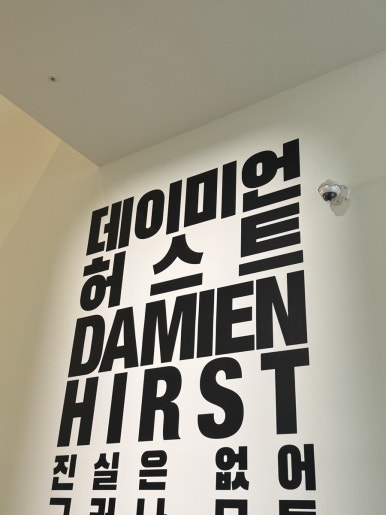

Exhibition Overview
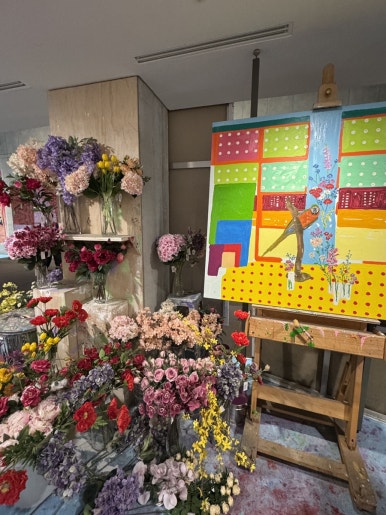
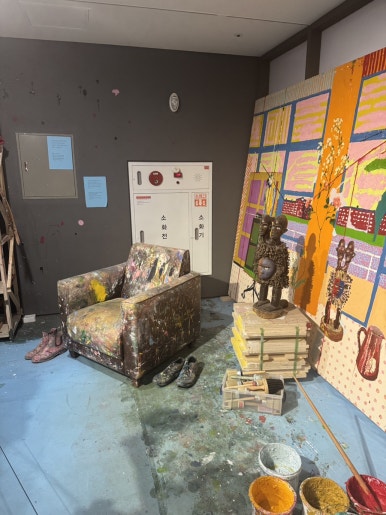
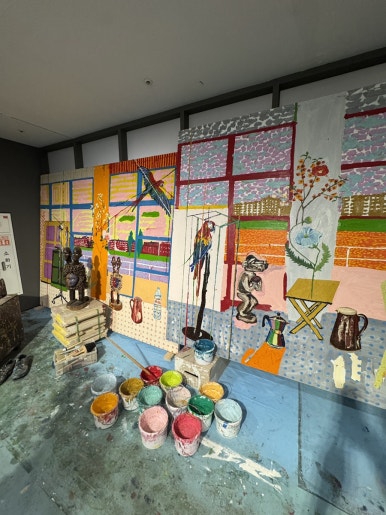
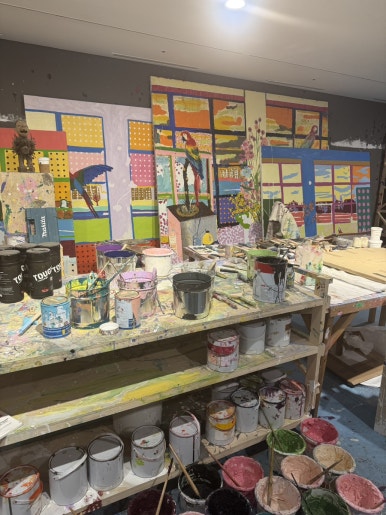
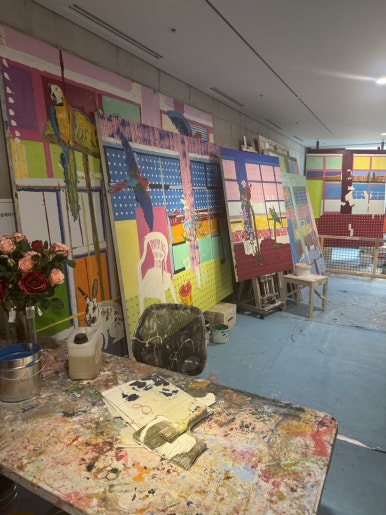
The exhibition was held at MMCA Seoul from March 20, 2026, to June 28, 2026. It spanned multiple areas of the museum, including the Seoul Box (B1), Galleries 3, 4, and 5 (B1), and the MMCA Studio (2F). The admission fee was 8,000 KRW.
Visitor Tips
Located in Jongno-gu, the museum was accessible via a 10-minute walk from Anguk Station (Line 3) or Gyeongbokgung Station. While there was an underground parking facility, it often reached capacity on weekends and during popular exhibitions, so I found public transport to be the more reliable choice.
Highlights and Themes
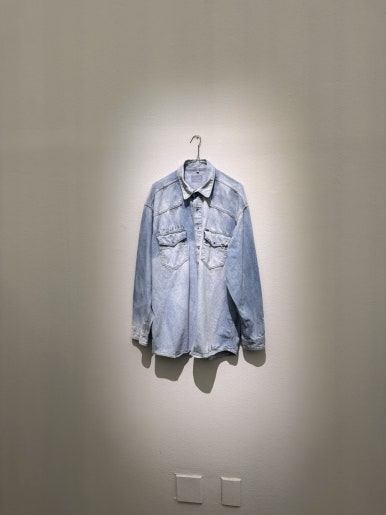
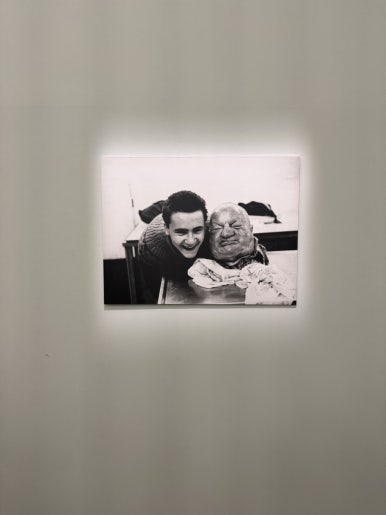
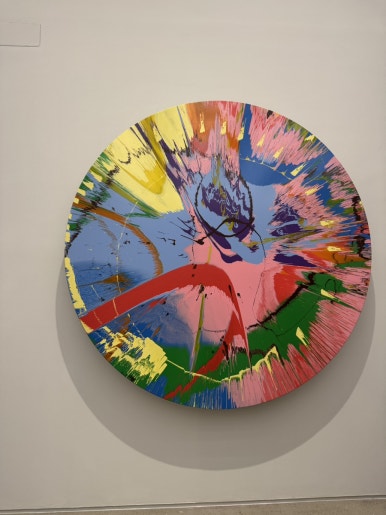
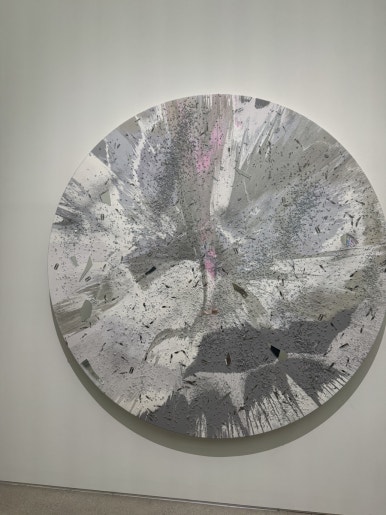
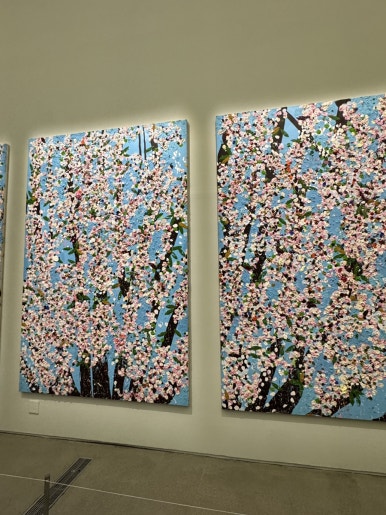
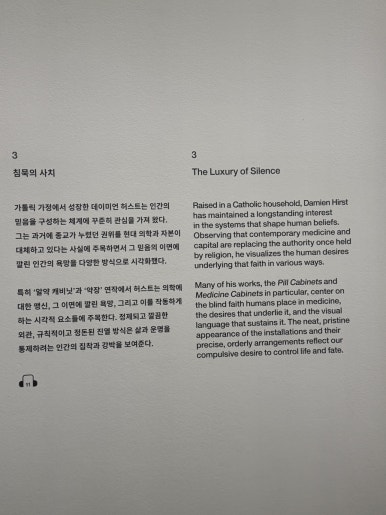
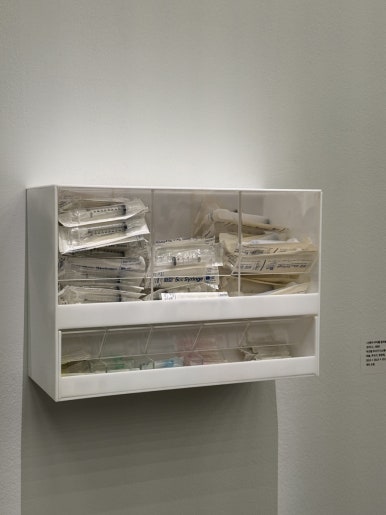
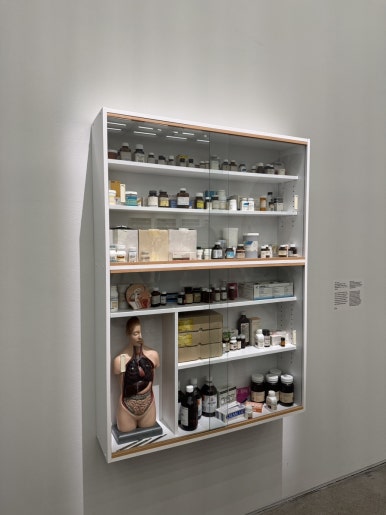
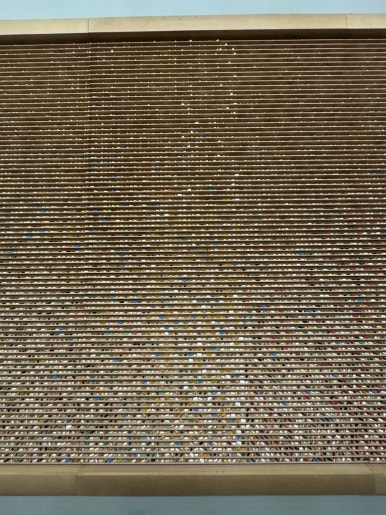
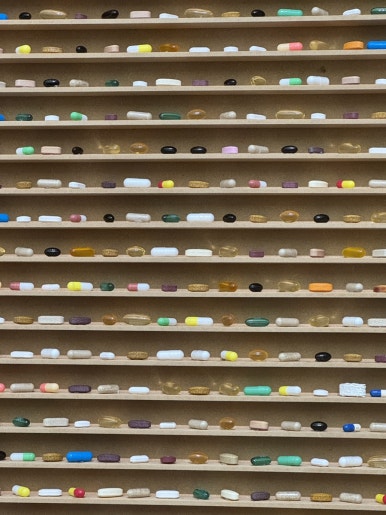
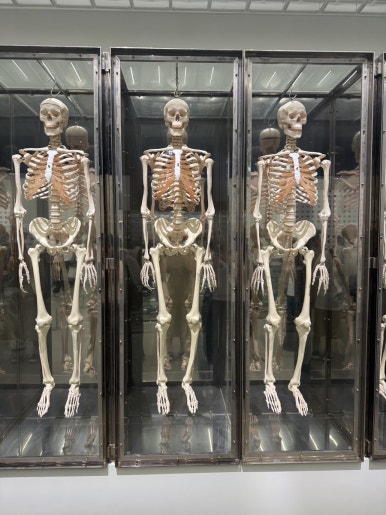
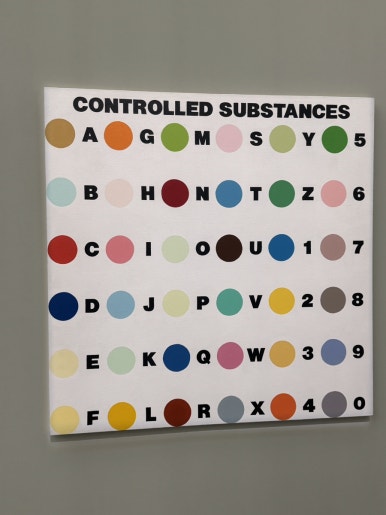
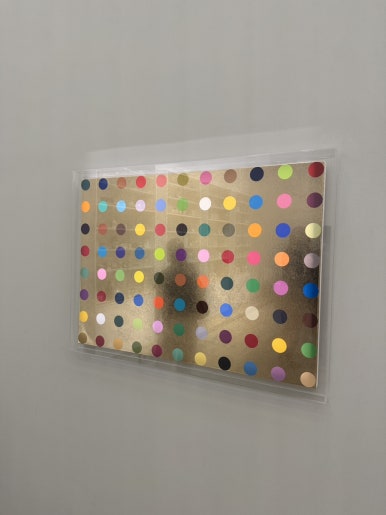
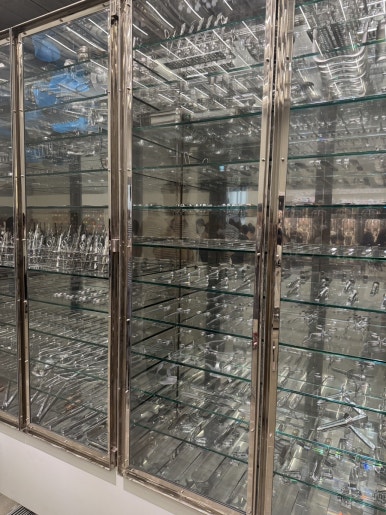
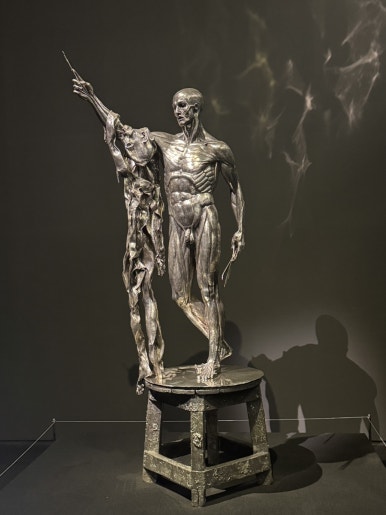
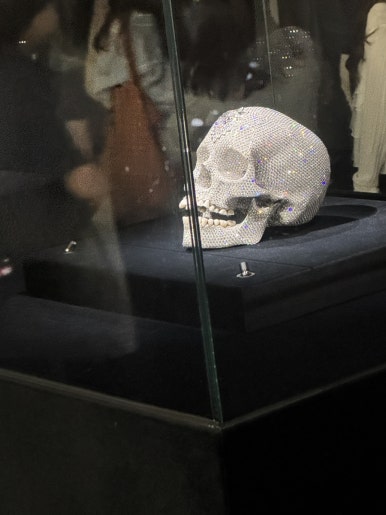
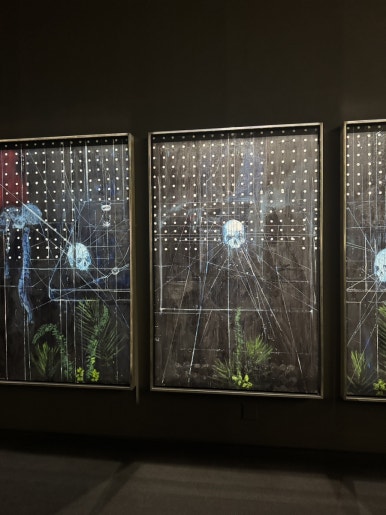
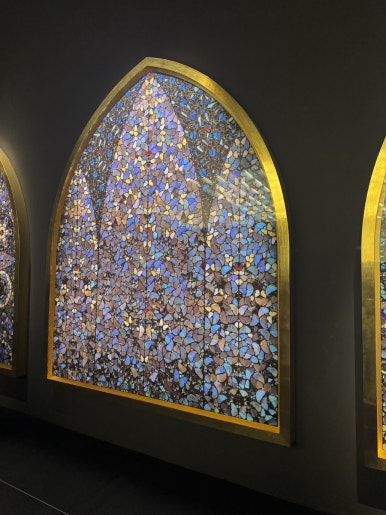
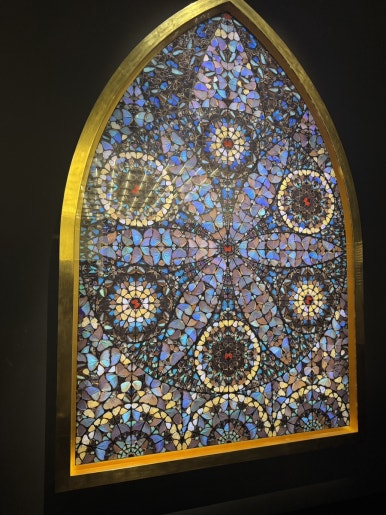
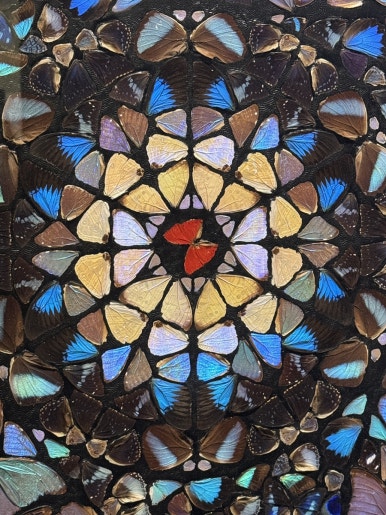
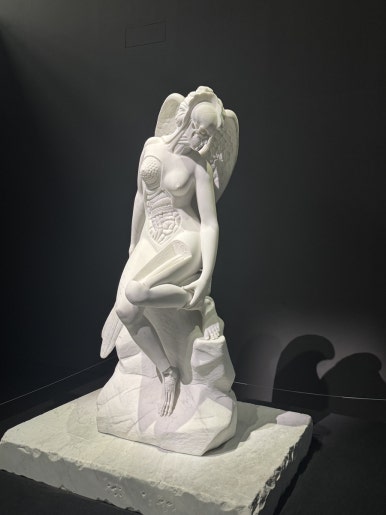
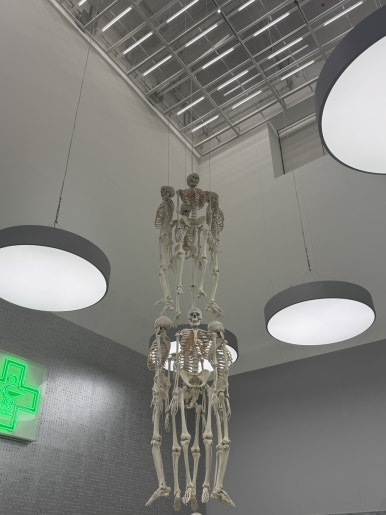
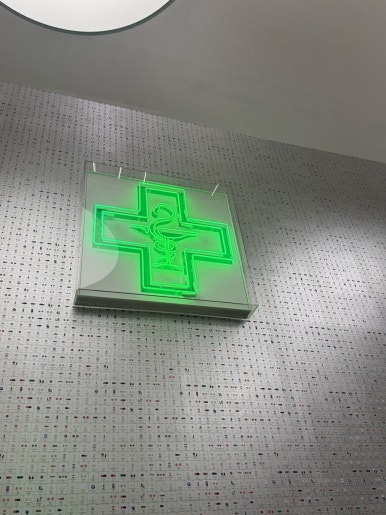
This exhibition served as a comprehensive look at 35 years of Hirst’s career, featuring over 50 works including installations, sculptures, and paintings. I encountered many of his signature pieces, such as the formaldehyde-preserved shark in The Physical Impossibility of Death in the Mind of Someone Living and the diamond-studded skull, For the Love of God. The collection also included his famous spot paintings, spin paintings, medicine cabinets, and butterfly and cherry blossom series. The curation followed his core themes: life, death, religion, science, beauty, horror, and the intersection of art and capitalism.
Personal Impressions
Seeing these works in person was a vastly different experience than viewing them in photographs. The sheer scale and the atmosphere of the gallery space gave the pieces an intense, commanding presence.
However, I must be honest: it was not a particularly pleasant experience. While the works were undeniably powerful and thought-provoking, I felt a sense of discomfort and strangeness throughout my visit rather than beauty or comfort. Although I understood the conceptual focus on life and death, I struggled to grasp exactly what the artist intended to convey. I left feeling as though I had been confronted by a series of intense, curated scenes rather than having gained a clear understanding of his philosophy.
Final Thoughts
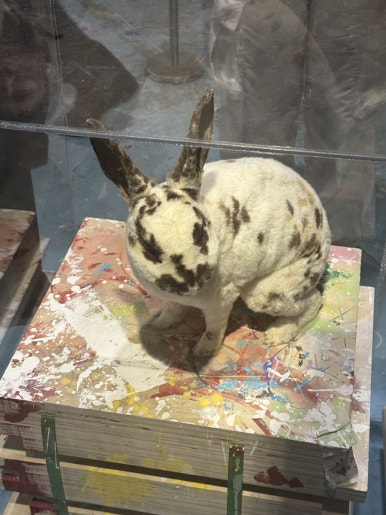
Many of the pieces, which dealt directly with death, the body, and biological specimens, left me with a lingering, uneasy feeling. It wasn’t just about being scared or finding the work cruel; it was a deeper, hard-to-define discomfort.
Despite this, I don’t regret going. The exhibition was well-structured, and there was undeniable value in seeing these world-famous works with my own eyes. It helped me understand why Hirst remains such a central figure in the art world. If you are a fan of his work or interested in provocative contemporary art, you will likely find it fascinating. However, if you have a strong aversion to the direct depiction of animals or themes of death, you might want to consider the nature of the work before visiting. While I don’t feel the need to see it again, the experience was a memorable one—even if the lasting impression was one of profound unease.